
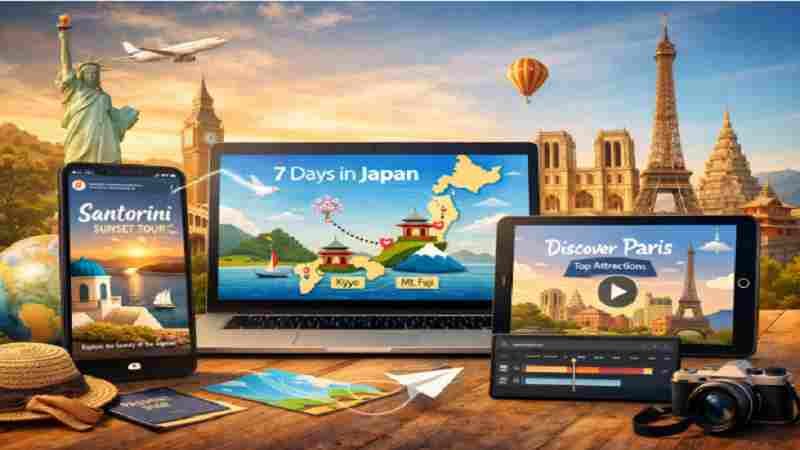
How Animation Is Transforming Modern Travel Storytelling
Travel has always been about stories. The scent of street food in Bangkok. The golden hour over Santorini. The hum of a train rolling through the Swiss Alps. Yet in today’s fast-moving digital world, static images and long paragraphs are no longer enough to capture attention. Travelers scroll quickly, compare destinations instantly, and decide in seconds whether a place feels worth exploring.
That is where animation changes everything.
Dynamic visuals are redefining how travel brands, bloggers, and tourism businesses communicate. From Instagram reels to destination explainers, animated content helps transform ordinary travel information into immersive, memorable experiences.
Why Animation Works So Well in Travel Content
In a world saturated with content, motion stands out.
Animated elements can:
- Simplify complex travel information
- Add emotional depth to destination stories
- Increase engagement on social media
- Improve retention for travel tips and guides
- Make itineraries more visually appealing
If you are a travel blogger, tour operator, hotel marketer, or digital nomad building a personal brand, using an intuitive tool like a free online animation maker can help you turn static travel content into captivating motion stories without needing advanced design skills.
The key is not just animation for the sake of it, but purposeful animation that enhances storytelling.
1. Bringing Destinations to Life
Think about how most travel posts look: a beautiful image, a caption, maybe a few emojis. Now imagine that same post with subtle animated text revealing “Top 5 Hidden Beaches,” icons gently moving to guide the eye, or a dynamic map highlighting your route.
Animation adds:
- Movement that captures attention in feeds
- Flow that guides the viewer’s focus
- Emotional tone through pacing and transitions
For example, instead of listing “3 Days in Lisbon” in plain text, you can animate each day’s highlights as they appear one by one. This not only looks polished but also improves clarity.
Travel audiences crave inspiration. Motion creates that spark.
2. Making Travel Information Easier to Understand
Travel content often includes practical information:
- Visa requirements
- Packing lists
- Transportation tips
- Budget breakdowns
- Seasonal travel advice
These details can feel overwhelming in text-heavy formats. Animation transforms them into digestible, engaging visuals.
Imagine a packing guide where icons slide in as you discuss each category: essentials, tech gear, documents, weather-specific clothing. Or a short animated budget breakdown that visually separates accommodation, food, and activities.
When information moves, viewers pay attention longer. And when they stay longer, they trust you more.
3. Elevating Your Travel Brand Identity
Consistency builds recognition.
If you run a travel blog or manage a tourism business, animation allows you to create a recognizable visual identity. This could include:
- Animated logo intros for your videos
- Branded lower-thirds for destination interviews
- Consistent animated typography
- Signature transitions between travel segments
Over time, these subtle elements create familiarity. Viewers begin to associate certain motion styles or color palettes with your brand.
In competitive niches like travel, this differentiation matters.
4. Boosting Social Media Performance
Social platforms prioritize engaging content. Posts with movement often receive higher interaction rates than static visuals.
Short animated travel snippets are perfect for:
- Instagram Reels
- TikTok destination highlights
- Pinterest idea pins
- YouTube Shorts
Instead of simply uploading a beach photo, animate the text “Secret Sunset Spot in Maui” with a gentle fade-in. Add subtle motion to arrows pointing toward the horizon. The difference in engagement can be significant.
Even email marketing benefits. An animated header for a travel newsletter can increase click-through rates and make your content feel more premium.
5. Turning Itineraries into Story Experiences
A well-crafted itinerary tells a story. Animation enhances that narrative.
Consider:
- A moving dotted line across a map tracing your journey
- Day-by-day highlights appearing as the timeline progresses
- Animated icons representing landmarks
This approach works especially well for:
- Road trip blogs
- Backpacking adventures
- Multi-country tours
- Cruise itineraries
It makes readers feel like they are traveling alongside you.
And emotionally engaged readers are far more likely to subscribe, book, or share your content.
6. Real-Life Example: A Boutique Travel Agency
Imagine a boutique travel agency promoting curated European experiences.
Instead of posting static images of Paris, Rome, and Barcelona, they create short animated destination previews:
- Elegant text overlays introducing each city
- Animated highlights of key attractions
- Subtle transitions that reflect luxury and sophistication
The result? A stronger brand presence and higher conversion rates.
Travel is emotional. Animation amplifies that emotion visually.
7. Practical Tips for Using Animation in Travel Content
If you are new to animated content, start simple.
Keep It Subtle
Overuse of motion can feel distracting. Focus on clarity and storytelling rather than flashy effects.
Align With Your Audience
Luxury travelers may respond to elegant, slow transitions. Adventure audiences might prefer bold, energetic motion.
Prioritize Mobile Viewing
Most travel content is consumed on mobile devices. Use clean layouts, readable fonts, and vertical formats when appropriate.
Repurpose Across Channels
Turn one animated itinerary into:
- A blog header visual
- A social media post
- A YouTube intro
- An email banner
This maximizes the return on your creative effort.
SEO Benefits of Animated Travel Content
While animation itself is visual, it supports broader SEO goals:
- Higher dwell time on pages
- Increased shareability
- Lower bounce rates
- Stronger brand recall
When visitors stay longer and engage more, search engines interpret that as valuable content. Combined with strong written storytelling and optimized headings, animated visuals enhance overall performance.
The Future of Travel Storytelling Is Motion-Driven
Travel has always been about movement. Planes taking off. Waves crashing. Streets buzzing. Animation mirrors that inherent motion.
In an increasingly visual digital landscape, travelers expect immersive content. They want to feel the energy of a destination before booking a flight. They want to see itineraries come alive.
Whether you are an independent blogger sharing weekend escapes or a full-scale tourism brand marketing global adventures, integrating animation into your content strategy is no longer optional. It is a competitive advantage.
Conclusion
Travel storytelling is evolving. Static content alone cannot always capture the emotion, movement, and inspiration that modern audiences seek. Animation bridges that gap. It transforms ordinary travel information into immersive, engaging experiences that inform, inspire, and convert.
By thoughtfully incorporating motion into your travel content strategy, you elevate not only your visuals but your entire brand presence. In a world where attention is limited and competition is fierce, animated storytelling might just be the passport your travel content needs to stand out.